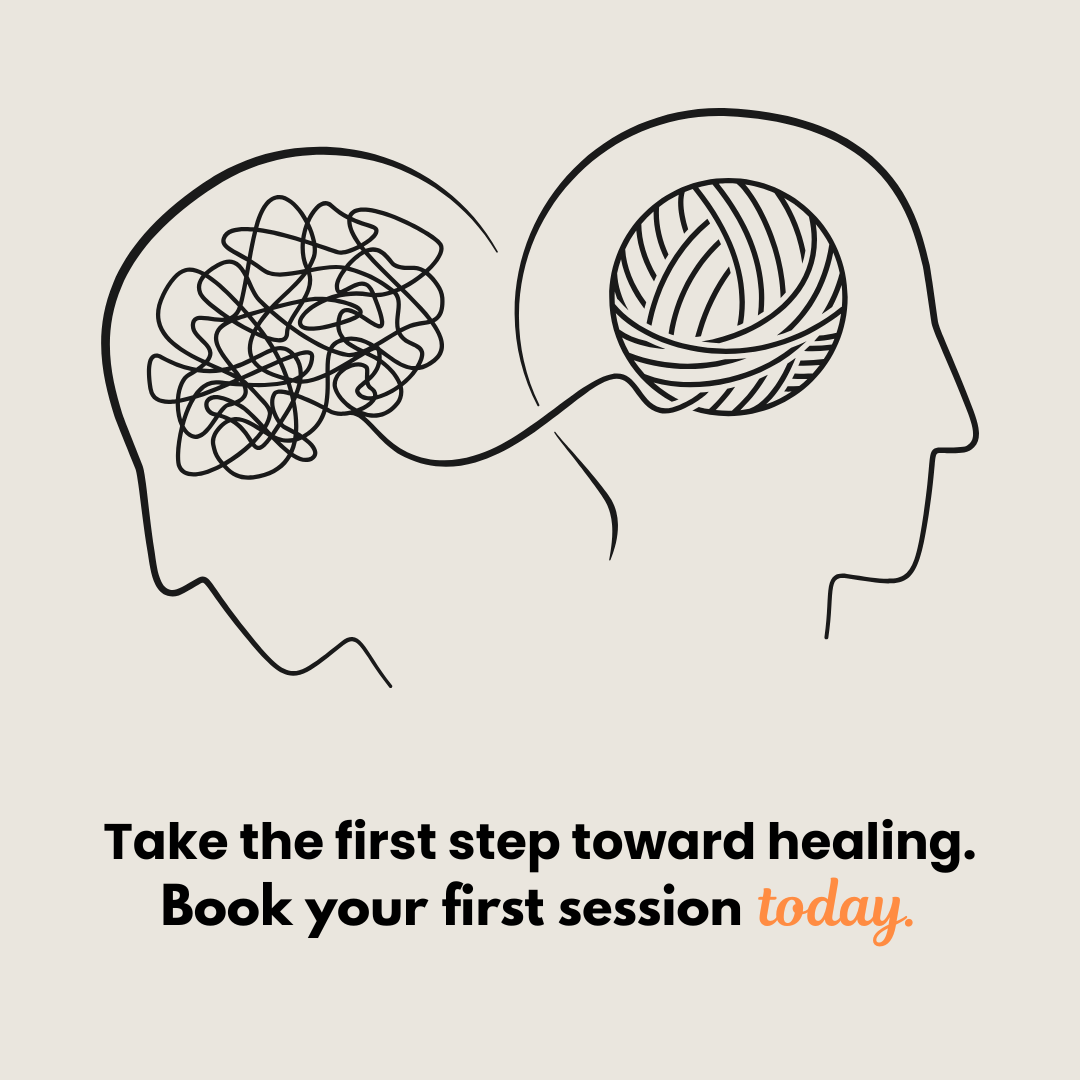
Healing with Heart, Growing with Purpose.
Counselors and Therapists at Perrysburg, Ohio | Fallen Timbers Holistic Services
Finding the right therapist matters.
You don’t have to know exactly who to choose.
We’re here to help you find someone who feels like a good fit, at your pace.
-
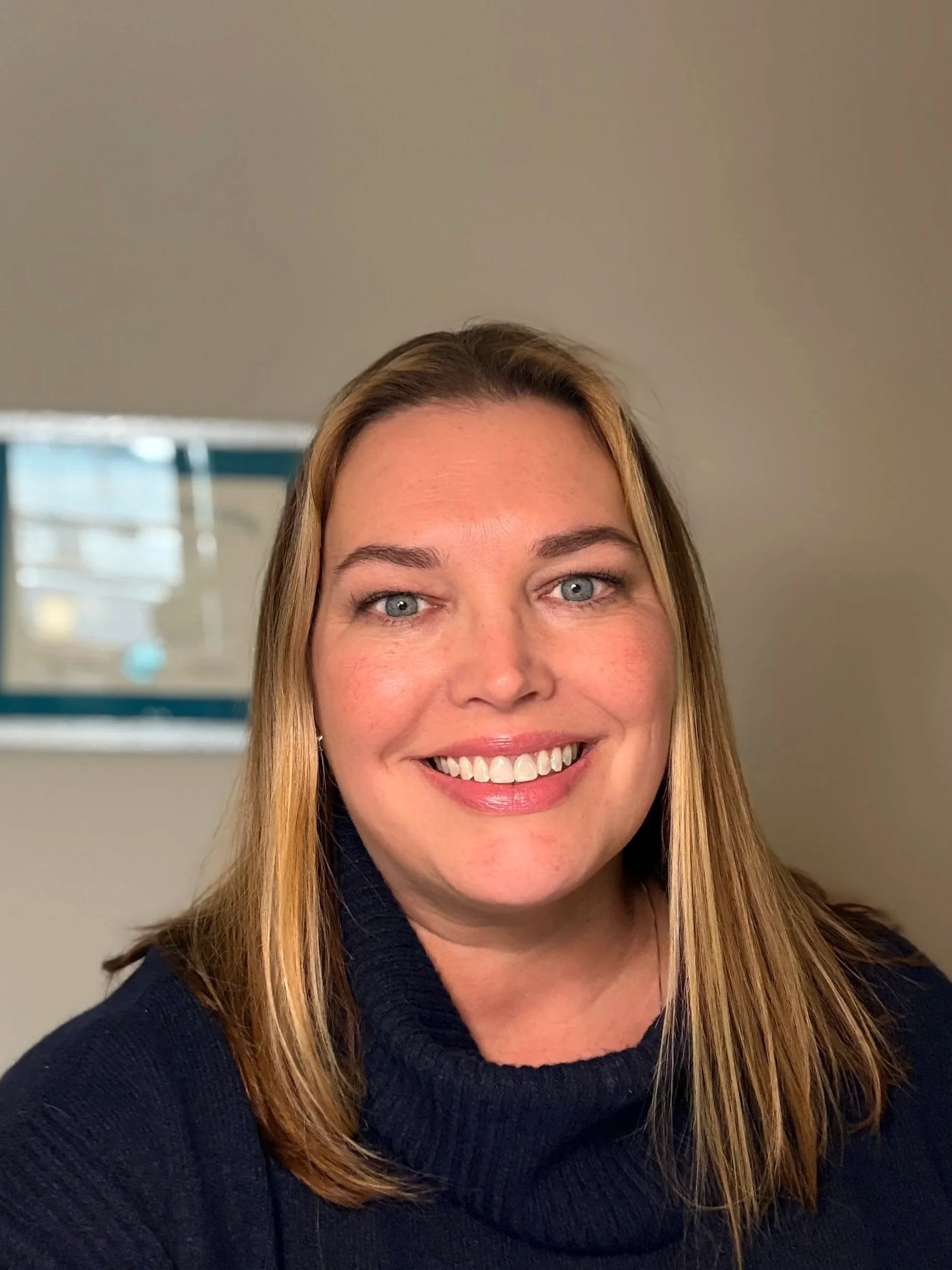
Amanda Bradley, MS, LPCC
Amanda Bradley is a Licensed Professional Clinical Counselor and proud co-owner of Fallen Timbers Holistic Services. A compassionate and skilled EMDR therapist, Amanda is deeply committed to helping individuals move from surviving to thriving through evidence-based, trauma-informed care.
With a background as a retired first responder, Amanda brings a unique depth of empathy and insight to her work, especially when supporting fellow first responders, veterans, and those navigating anxiety, depression, trauma, and life transitions.
Amanda is currently working toward her EMDRIA certification and is focusing on helping with performance anxiety. This is a powerful approach designed to help athletes, performers, and high-achieving professionals overcome mental blocks, build resilience, and unlock their full potential.
Known for her blend of professional expertise and heartfelt connection, Amanda’s therapy style is grounded in both clinical excellence and genuine connection. She is currently pursuing her PhD in Counselor Education and Supervision at Walden University, further expanding her impact in the mental health field.
Focus areas:
Anxiety • Depression • Trauma • Life transitions • Veterans & First Responders • EMDR & Performance EMDR -

Jeff Howell, MA, LPCC-S
Jeff is one of the owners of Fallen Timbers Holistic Services, LLC, bringing over 30 years of experience in the mental health field, he provides compassionate, client-centered care for adults, adolescents, and families facing anxiety, depression, trauma, and substance use challenges. He is a skilled EMDR therapist and also provides court-mandated assessments.
Jeff combines expertise with empathy, helping clients gain perspective, build resilience, and move forward with confidence.
In addition to his clinical work, Jeff offers clinical supervision and leads the internship program, supporting the development of future mental health professionals. He also specializes in Court Assessments across Ohio.
-

Cary Richey, MS, LPC
Cary holds a Master’s degree in Clinical Mental Health Counseling and is trained in EMDR Therapy. Cary brings both skill and compassion to her work as a counselor. Her background as a high school Spanish teacher allows her to connect naturally with young people and understand the challenges they face.
She is experienced in supporting children, teens, and adults navigating through anxiety, depression, trauma, life transitions, and more.
Cary is dedicated to helping clients navigate the challenges of growth, change, and identity with authenticity and support. She offers convenient afternoon and evening appointment hours.
Focus areas:
Anxiety • Depression • Trauma • Life transitions • Identity & self-exploration -

Montana Zaborowski, MA, LPC, Ed.S., NCSP
Montana is pursuing her Master’s in Clinical Mental Health Counseling and also holds an MA and Ed.S. in School Psychology, along with a graduate certificate in Early Childhood Teaming.
With experience in both private practices and school settings, she is also a school psychologist who works with foster children, youth, teens, and adults navigating anxiety, depression, trauma, PTSD, stress, life transitions, ADHD, behavioral concerns, borderline personality disorder, suicidal ideation, and self-harm.
Montana takes an empathetic, client-centered approach, creating a safe and supportive environment where clients set the pace. She strives to meet each person where they are and walk alongside them in their journey.
Focus areas:
Anxiety • Trauma • Stress • Life transitions • ADHD • Behavioral concerns • Emotional regulation -

Nathanael Ellis
Nate is completing his Master’s in Clinical Mental Health Counseling and brings over ten years of pastoral ministry experience and twelve years of service in the Army National Guard. His background has shaped his compassionate, steady, and down-to-earth approach to counseling.
He is passionate about supporting veterans, men, couples, children, teens, and adults going through anxiety, depression, communication challenges, and stress.
Nate strives to create a safe and encouraging space where clients feel understood and empowered to take positive steps forward.Focus areas:
Anxiety • Depression • Stress • Communication challenges • Veterans • Men’s mental health • Couples & families -

Corinne Ranslem
Cori is completing her Master’s in Clinical Mental Health Counseling and brings her valuable hands-on experience working in community and school-based settings. She has worked with children, teens, adults, and families from diverse backgrounds, from supporting foster parents and advising high school students, to helping youth with eating disorders.
She supports children, women, mothers, LGBTQ+, teens, and adults navigating through anxiety, depression, trauma, grief and loss, stress, and life transitions.
Cori brings warmth and expertise to her work and also has a special passion for supporting families and children with disabilities.
Focus areas:
Anxiety • Depression • Trauma • Eating concerns & body image • Women & mothers • Life transitions • Disability & family support -
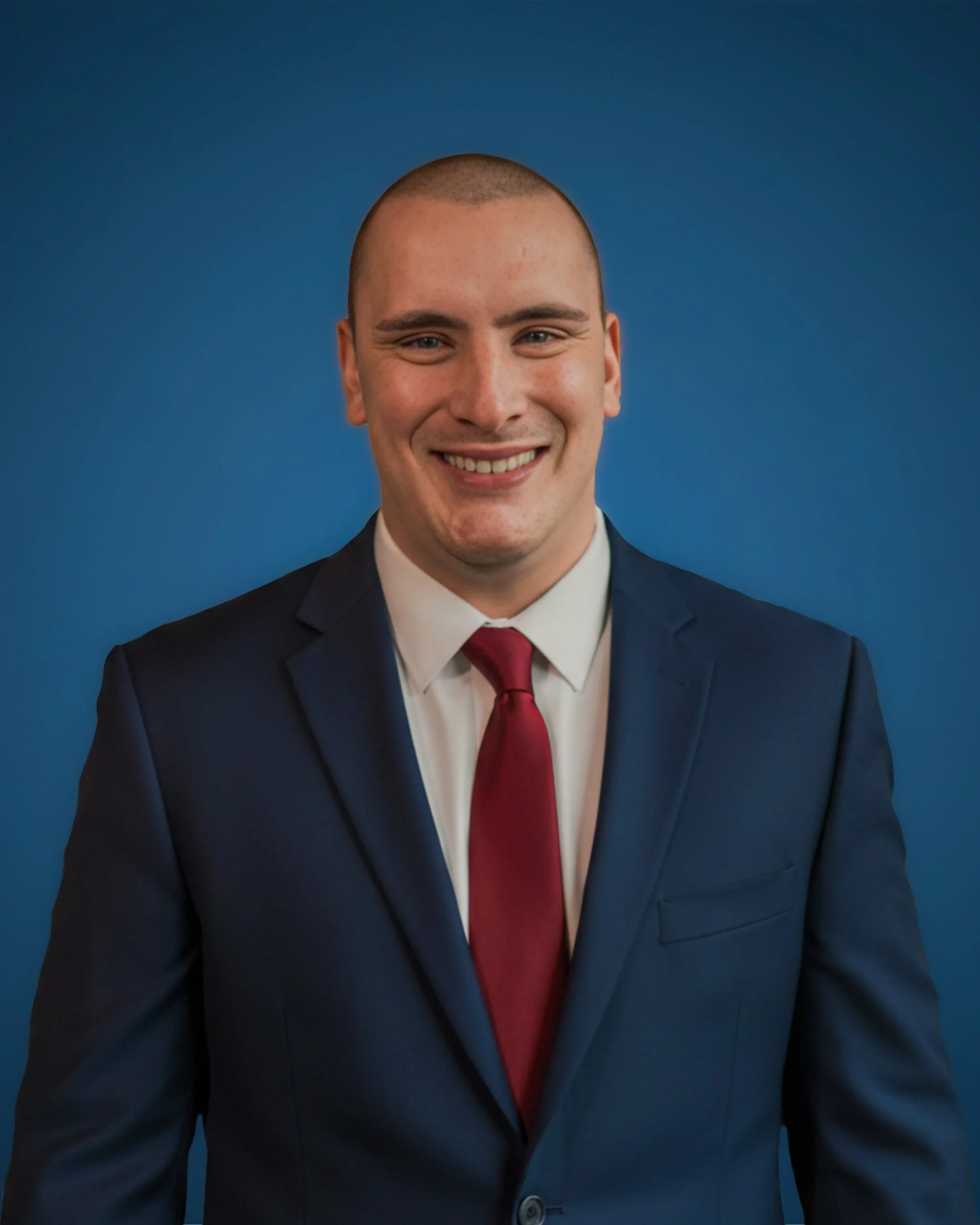
Trey Brock
Trey is completing his Master’s in Clinical Mental Health Counseling and served as a firefighter, paramedic, and currently as a 911 dispatcher, which are experiences that deepened his empathy and understanding of life’s challenges.
He supports first responders, men, children, teens, and adults navigating through anxiety, depression, trauma, PTSD, grief and loss, life transitions, addiction, and recovery.
He has a special passion in supporting first responders and men’s mental health.
Trey takes a warm, person-centered approach to create a supportive space for each client.
Focus areas:
Anxiety • Depression • Trauma • Grief & loss • Life transitions • Addiction & recovery • First responders • Men’s mental health -
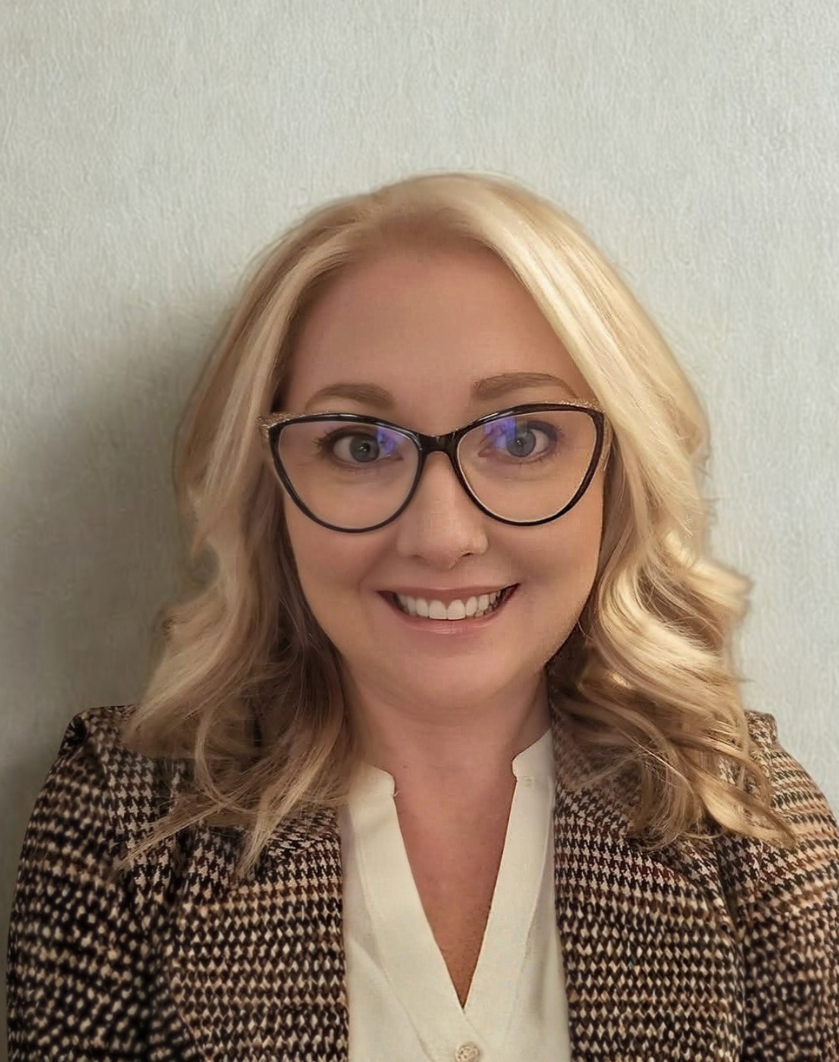
Kristen Williams, PhD
Kristen is completing her Master’s in Social Work and brings over 20 years of experience in higher education, mentoring, and LGBTQ+ advocacy. She has supported teens, college students, adults, and families through identity exploration, career and academic concerns, and major life transitions.
She supports teens (ages 14 and older) and adults navigating anxiety, depression, ADHD, grief, stress, and relationship challenges. Kristen is especially passionate about supporting LGBTQ+ and neurodivergent clients, as well as women in midlife facing perimenopause, shifting roles, job stress, and big life changes.
Kristen takes a trauma-informed, person-centered approach using CBT, DBT, and solution-focused therapy. She creates a warm, reflective space where clients can make sense of what they’ve been carrying and move toward meaningful change.
Focus areas:
Anxiety • Depression • ADHD • Grief & loss • LGBTQ+ support • Neurodivergence • Life transitions • Identity & self-esteem • Career & educational concerns • Stress management